Gum Disease Screening
Happy Valley, OR
Gum health often changes quietly. Many patients are surprised to learn that the earliest stages of periodontal disease can develop without obvious discomfort. At Implant & Periodontics Solutions, we focus on identifying those subtle changes early through comprehensive gum disease screenings. These evaluations allow us to detect concerns before they progress and to protect the long-term health of your smile. What Is A Gum Disease Screening?A gum disease screening is a detailed assessment of the tissues that support your teeth. While a standard dental exam looks broadly at teeth and oral structures, a periodontal screening takes a closer look at the gums, bone levels, and areas where infection may begin. During this screening, we evaluate several key indicators. These include the depth of the spaces between your teeth and gums, known as periodontal pockets, as well as signs of inflammation such as redness, swelling, or bleeding. We also assess gum recession, tooth stability, and the presence of plaque and tartar beneath the gumline. Digital imaging or dental X-rays may be used to examine the underlying bone that supports your teeth. This allows us to identify changes that are not visible during a visual exam alone. By combining these findings, we gain a clear picture of your periodontal health. What Does A Screening Reveal?A gum disease screening provides valuable insight into both current and potential concerns. It can confirm whether your gums are healthy or if early-stage gingivitis is present. Gingivitis is the first phase of gum disease and is often reversible when addressed promptly. More advanced findings may indicate periodontitis, a condition where infection has begun to affect the supporting bone. At this stage, pockets around the teeth deepen, and bacteria can spread below the gumline. Without treatment, this process may lead to bone loss and eventual tooth loss. Screenings also reveal patterns that may not yet qualify as active disease but signal increased risk. For example, slightly deepened pockets or minor inflammation may indicate that the environment in your mouth is becoming more favorable for bacterial growth. Identifying these patterns early allows us to intervene before lasting damage occurs. When Is A Gum Disease Screening Needed?Gum disease screenings are an important part of routine dental care, but certain situations call for closer monitoring. Most patients benefit from having their gums evaluated at regular dental visits, even if they are not experiencing symptoms. There are also specific signs that should prompt a periodontal evaluation. These include gums that bleed during brushing or flossing, persistent bad breath, gum tenderness, or noticeable changes in how your teeth fit together. Receding gums or teeth that appear longer than before may also indicate underlying concerns. Some patients face a higher risk of developing gum disease and may require more frequent screenings. Risk factors can include tobacco use, a history of gum disease, certain medical conditions, hormonal changes, or medications that affect oral health. In these cases, proactive monitoring plays an essential role in prevention. Can Screenings Detect Gum Disease Before It Starts?One of the most valuable aspects of a gum disease screening is its ability to identify early warning signs before full disease develops. Periodontal disease does not appear suddenly. It progresses through stages, beginning with subtle changes in the gum tissue. By measuring pocket depths and evaluating tissue response, we can detect inflammation at its earliest point. Even slight changes in these measurements can indicate that bacteria are beginning to affect the gums. This allows us to recommend targeted preventive care, such as improved home hygiene techniques or professional cleanings focused on the gumline. Early detection also helps us monitor trends over time. Comparing results from previous visits allows us to see whether your gum health is stable, improving, or beginning to decline. This proactive approach supports timely intervention and helps prevent more complex concerns from developing. Do Gum Disease Screenings Need To Be Repeated?Gum disease screenings should be performed regularly. Periodontal health can change over time, even in patients who maintain consistent oral hygiene. Because gum disease can progress without noticeable symptoms, ongoing monitoring is essential. For many patients, screenings are completed during routine dental visits. However, individuals with a history of periodontal disease or increased risk factors may benefit from more frequent evaluations. Regular screenings allow us to track changes, measure treatment outcomes, and adjust care as needed. Consistency is key when it comes to protecting your gums. Repeating these screenings ensures that even small changes are identified early, when they are easier to manage and less likely to affect overall oral health. Understanding Gum Disease And Its RisksGum disease is one of the most common oral health conditions. It begins with bacterial buildup along the gumline, which can lead to inflammation and infection if not removed effectively. In its early stage, gingivitis may cause mild symptoms such as redness or bleeding. Without intervention, it can progress to periodontitis, where the infection extends deeper into the supporting structures of the teeth. This can result in gum recession, bone loss, and changes in tooth stability. The impact of gum disease is not limited to the mouth. Research has shown connections between periodontal disease and broader health concerns, including cardiovascular conditions and complications related to systemic inflammation. While these connections vary from patient to patient, they highlight the importance of maintaining healthy gums. Because gum disease can advance without significant discomfort, many patients are unaware of its presence until it has reached a more advanced stage. This makes regular screenings an essential part of preventive care. How Screenings Support Long-Term Oral Health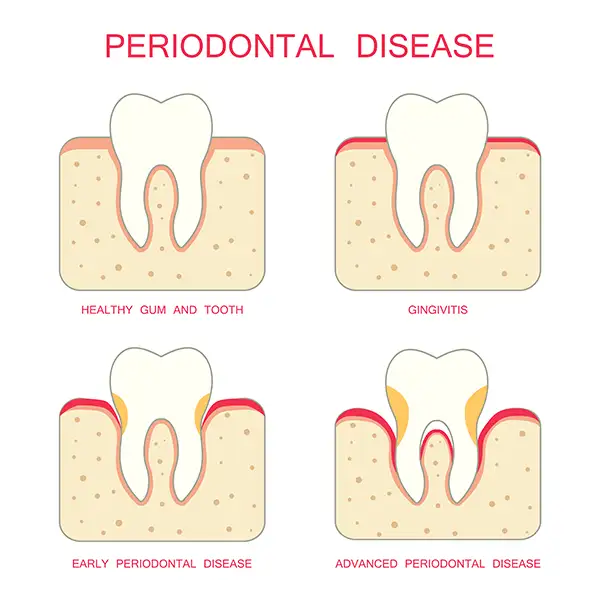
Gum disease screenings provide more than a snapshot of your current oral health. They serve as a foundation for long-term care and prevention. By identifying concerns early, we can recommend treatments that protect your gums and preserve the structures that support your teeth. These screenings also create an opportunity for patient education. Understanding how gum disease develops and what factors contribute to it can help you make informed decisions about your oral hygiene routine. Small adjustments in daily care can make a meaningful difference in preventing disease progression. At Implant & Periodontics Solutions, our goal is to provide thorough, attentive care that supports both immediate and long-term health. Periodontal screenings allow us to do just that by combining early detection with personalized recommendations. Protecting Your Gum HealthMaintaining healthy gums requires a combination of consistent home care and professional evaluation. Brushing and flossing daily help control plaque, but they may not remove all bacteria, especially below the gumline. Regular screenings allow us to reach areas that are difficult to monitor at home. If signs of gum disease are identified, early treatment can help restore gum health and prevent further progression. Even in cases where no active disease is present, screenings provide reassurance and help ensure that your gums remain stable over time. Gum disease is both common and preventable. With routine periodontal screenings and attentive care, it is possible to protect your smile and reduce the risk of long-term complications. If it has been some time since your gums were evaluated, scheduling a screening is a simple step toward maintaining your oral health. Our team is here to provide the guidance and care needed to keep your gums healthy at every stage. Call us at 623-556-5442 to schedule a screening. |
 Office HoursMon-Thurs: 7:30am - 4:00pm Emergencies 7 days a week |
