Scaling and Root Planing
Sun City West, AZ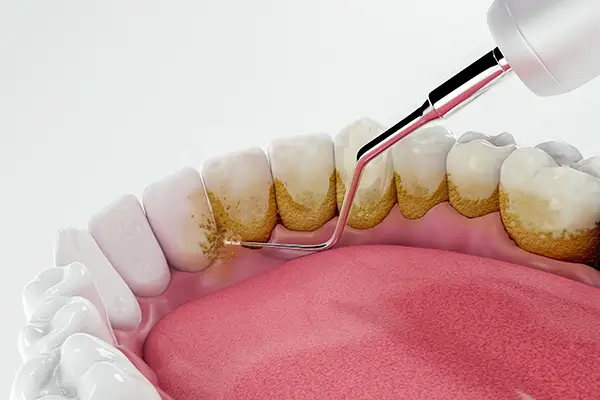
When gum disease progresses beyond what regular cleanings can address, scaling and root planing becomes a critical step in protecting your oral health. This deep cleaning procedure targets bacteria, buildup, and infection below the gumline, where a standard hygiene appointment cannot reach. For patients at Implant & Periodontics Solutions diagnosed with periodontitis or early to moderate gum disease, scaling and root planing is often the first line of treatment, and in many cases, it is enough to stop the disease from advancing further. What Is Scaling and Root Planing?Scaling and root planing is a non-surgical periodontal treatment performed by the dentist or dental hygienist. It involves two distinct steps that work together to address the root causes of gum disease. Scaling refers to the careful removal of plaque and tartar, also called calculus, from tooth surfaces and from beneath the gumline. When bacteria accumulate in the space between the teeth and gums, they form a sticky film that hardens over time into calculus. This hardened buildup cannot be removed with a toothbrush or floss, and it continuously irritates the surrounding tissue, causing inflammation and bone loss. Root planing addresses the tooth root itself. Once scaling is complete, the root surface is smoothed to remove rough areas where bacteria tend to cling. A smoother root surface makes it more difficult for bacteria to reattach and easier for the gum tissue to heal and reattach to the tooth naturally. Together, these two steps reduce the bacterial load in the periodontal pocket, promote healing of the gum tissue, and create conditions that support long-term stability. Why Gum Disease Requires More Than a Standard CleaningRoutine dental cleanings focus on the visible portion of the tooth above the gumline. They are designed for patients who are maintaining healthy gum tissue and do not have significant pocket depth or bone involvement. Gum disease changes the anatomy of the space between the tooth and gum. Healthy gum tissue sits snugly around the tooth, with a shallow sulcus, or pocket, typically measuring one to three millimeters. As periodontitis develops, the gum tissue pulls away from the tooth and pocket depths increase. Bacteria colonize these deeper pockets, and standard cleaning instruments cannot adequately reach them. When pocket depths reach four millimeters or more, scaling and root planing becomes necessary to adequately clean the affected areas. Without it, the infection continues to progress, leading to further attachment loss, bone deterioration, and eventually tooth loss. What to Expect During the ProcedureScaling and root planing is typically performed in two appointments, addressing one half of the mouth at each visit. This allows the treated side to begin healing while the other side is cleaned. A local anesthetic is used to ensure comfort throughout the procedure. Because the treatment involves working beneath the gum tissue and along the root surface, numbing the area allows the clinician to be thorough without causing discomfort. The procedure uses a combination of hand instruments and ultrasonic tools. Ultrasonic scalers use vibration and water irrigation to break up deposits and flush bacteria from the pocket. Hand instruments allow for precise work along the root surface during the planing phase. Depending on the severity of the disease and the number of teeth involved, each appointment generally lasts between one to two hours. Recovery and What Patients Notice AfterwardSome tenderness and sensitivity in the treated gum tissue is normal following the procedure. The gums may appear slightly swollen or feel sore for a few days. Over-the-counter pain relievers and warm saltwater rinses typically help manage any discomfort during this period. Sensitivity to hot and cold temperatures can occur as well, because the root surfaces that were previously covered by inflamed tissue or calculus are now more exposed. This sensitivity usually diminishes as healing progresses over the following weeks. One noticeable change patients often observe is that their gums look different after treatment. Inflamed gum tissue can appear puffy and red, making the gumline look higher than it naturally sits. As the inflammation resolves and the tissue heals, the gums shrink back to a healthier, firmer state. This change in appearance reflects genuine healing, not recession. The Role of the Periodontal ReevaluationFour to eight weeks after completing scaling and root planing, a follow-up appointment is scheduled to evaluate the results of treatment. At this visit, we measure pocket depths again, assess bone levels, and evaluate how well the gum tissue has responded. In many patients, this follow-up reveals significant improvement. Pocket depths often decrease as the tissue heals and reattaches to the tooth root. The presence of bleeding on probing, a key indicator of active inflammation, frequently decreases as well. For some patients, scaling and root planing resolves the condition entirely, and they transition to a maintenance schedule of more frequent professional cleanings, typically every three to four months rather than twice yearly. For others with more advanced disease, the reevaluation helps determine whether additional treatment such as periodontal surgery is needed. Long-Term Success Depends on Consistent MaintenanceScaling and root planing addresses existing damage and infection, but it does not make a patient immune to future gum disease. The bacteria that cause periodontitis are persistent, and without regular professional care and thorough home hygiene, pocket depths can increase again. Patients who commit to their recommended maintenance schedule and maintain consistent brushing and flossing habits have significantly better long-term outcomes. Interdental cleaning is particularly important, since the areas between teeth and along the gumline are where harmful bacteria are most active. Certain factors can affect how well a patient responds to treatment and how well they maintain results over time. Tobacco use significantly impairs healing and is one of the strongest risk factors for progressive periodontal disease. Diabetes and other systemic conditions can also influence how the gums respond. Discussing these factors openly with the dental team helps ensure the treatment plan is well-suited to each patient's specific circumstances. Gum disease is a chronic condition, but with prompt intervention and consistent follow-through, scaling and root planing gives patients a strong foundation for keeping their natural teeth and supporting their overall health. Ready to Address Gum Disease?If you have been diagnosed with periodontal disease or have noticed signs like bleeding gums, persistent bad breath, or gum tenderness, contact Implant & Periodontics Solutions at 623-556-5442 to schedule a consultation. Early treatment makes a meaningful difference in outcomes, and our team is here to guide you through every step of the process. |
 Office HoursMon-Thurs: 7:30am - 4:00pm Emergencies 7 days a week |
